Feature
In focus: Russia’s nuclear strike
Russia’s nuclear arsenal has a range of delivery methods, and it wants even more. Richard Thomas reports.
Main image: A Russian ICBM delivery vehicle at the 2018 Victory Day parade in Moscow. Credit: Andrey69 / Shutterstock
Cover Story
Eye in the sky
As the first line of threat detection, airborne early warning is a must-have capability for the world’s militaries. Gordon Arthur reports.
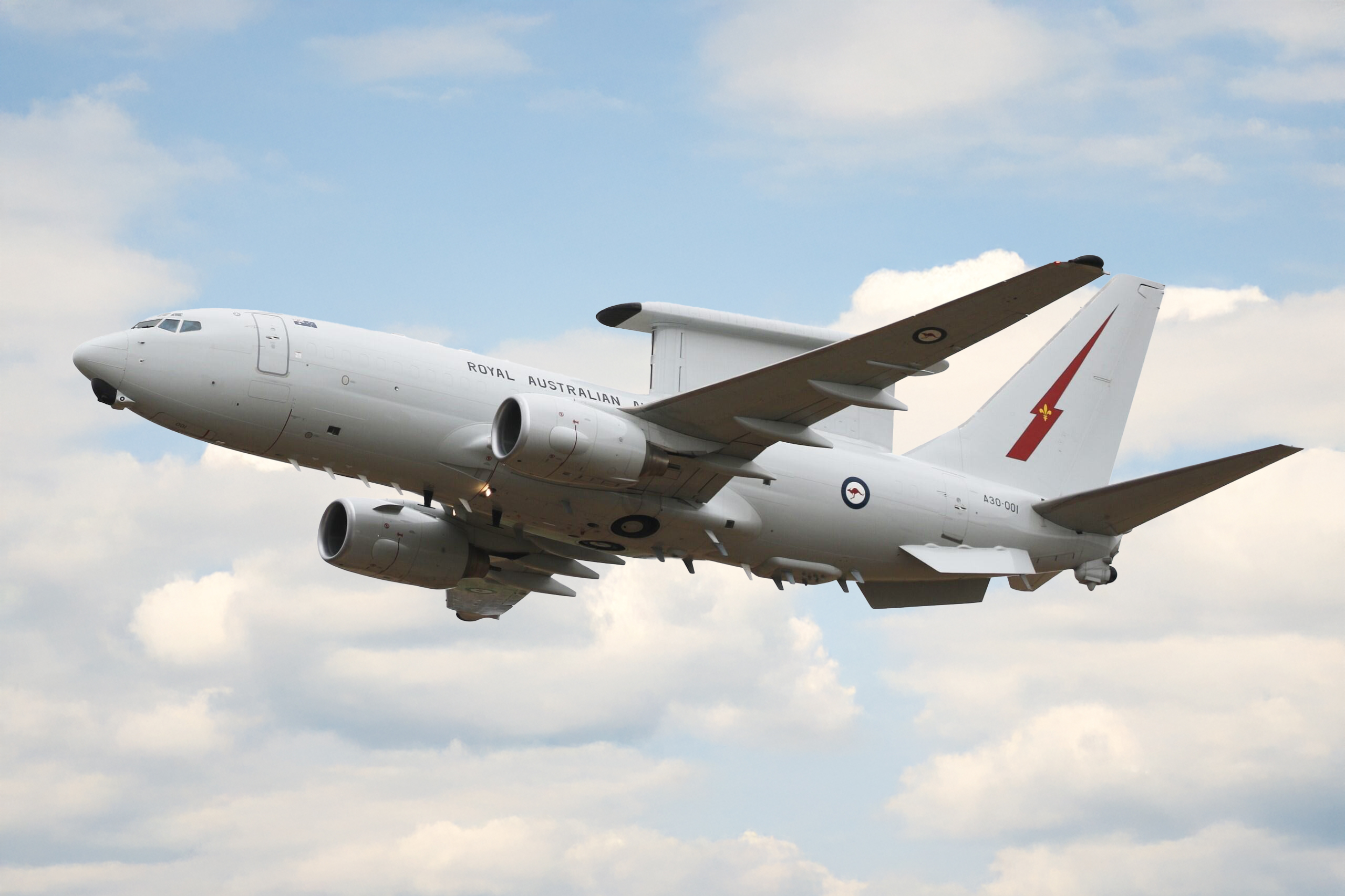
Australia was the first country to adopt the E-7A Wedgetail. Credit: Gordon Arthur
Russia’s decision to end its self-imposed restriction on the deployment of intermediate-range ballistic missiles has raised tensions across European capitals and in Washington amid fears of a nuclear crisis.
The move, announced by Moscow in early August, saw Russia leave the 1987 Intermediate-Range Nuclear Forces (INF) Treaty, after the US had itself earlier departed in 2019. The treaty was intended to limit the deployment and use of ballistic missiles with ranges up to 5,500km, originally signed by the US and Russia in 1987.
Russia has previously mooted the idea of deploying nuclear-capable ballistic missiles in neighbouring Belarus, a key ally.
Within this is the geopolitical context of Russia’s ongoing war in Ukraine, and a recent spat between Washington and Moscow over the lack of progress in securing a ceasefire in the more than three-year-old conflict, resulting in the redeployment of US Navy nuclear submarines.
Given all these factors, understanding the true scale of Russia’s nuclear arsenal is critical.
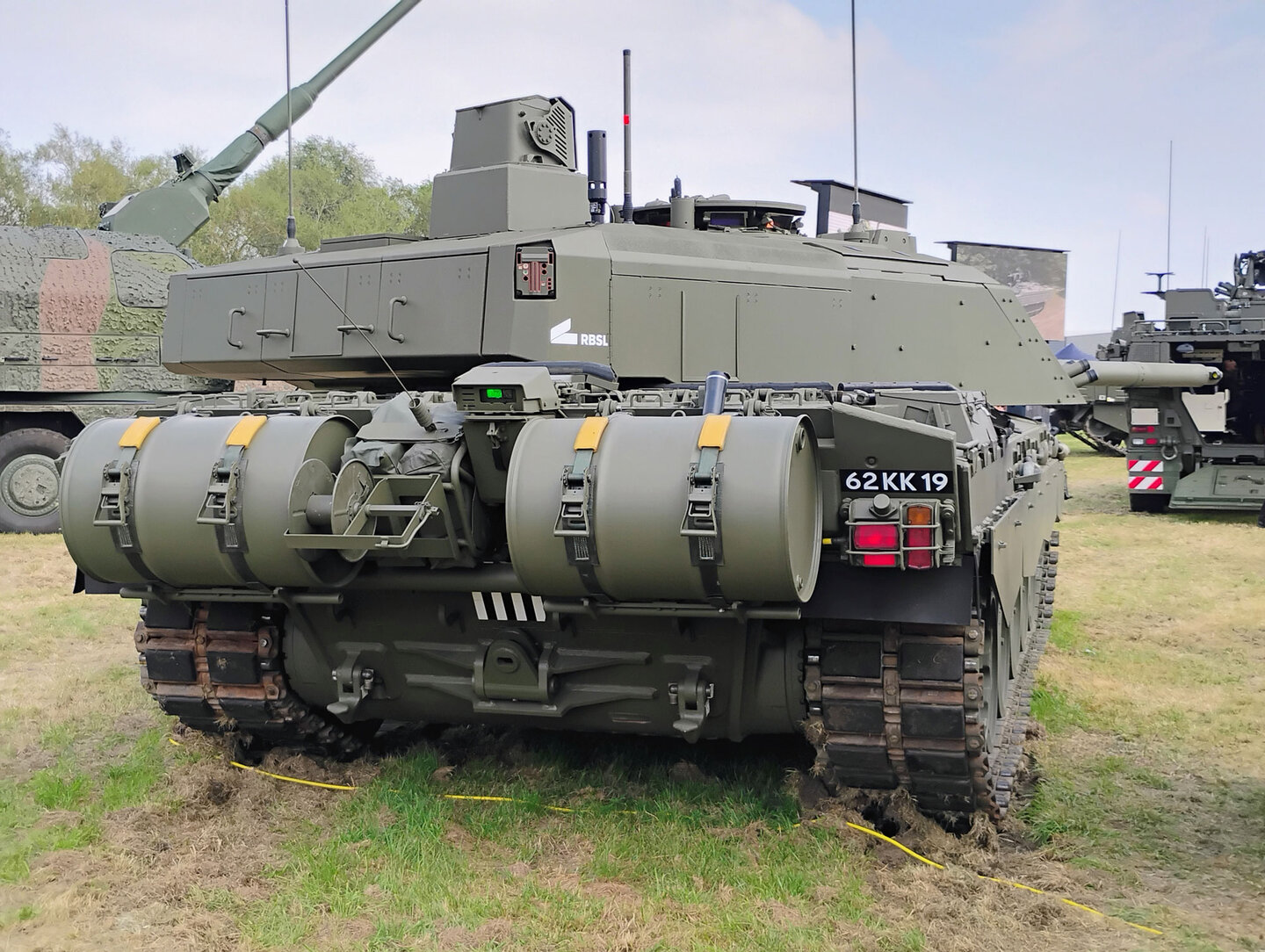
The DroneGun Mk4 is a handheld countermeasure against uncrewed aerial systems. Credit: DroneShield
One key programme that will affect by a number of European operators is the evolution of the Type 212A conventional diesel-electric submarine (SSKs) design. Three nations are building on this legacy model in two different variations: first, the German and Norwegian Type 212 Common Design (CD) and second, Italy’s U212 Near Future Submarine (NFS).
It will also be valuable to examine how these changes differ from the capabilities offered by other European SSK designs, including the Dutch Orka class and Swedish Bleckinge-class submarines.
Just how many warheads does Russia have?
In late-2024, the US Defense Intelligence Agency (DIA) released a publication describing the nuclear capabilities of what it called “foreign adversaries”, the second edition from an earlier 2018 missive to address the strategic programmes of China, Russia, and North Korea.
Russia’s nuclear-capable missile capabilities are advanced, fielding close-range ballistic missiles (CRBM), ground-launched cruise missiles (GLCM), hypersonic glide vehicles (HGV), intercontinental ballistic missiles (ICBM), short-range ballistic missiles (SRBM), as well as traditional nuclear gravity bombs and other delivery options for the naval and air domain.
The DIA reported that Russia maintained “the largest foreign nuclear stockpile in the world”, with about 1,550 strategic nuclear warheads on ICBMs and submarine-launched ballistic missiles (SLBM), as well as a force of heavy bombers capable of carrying air-launched cruise missiles (ALCMs).
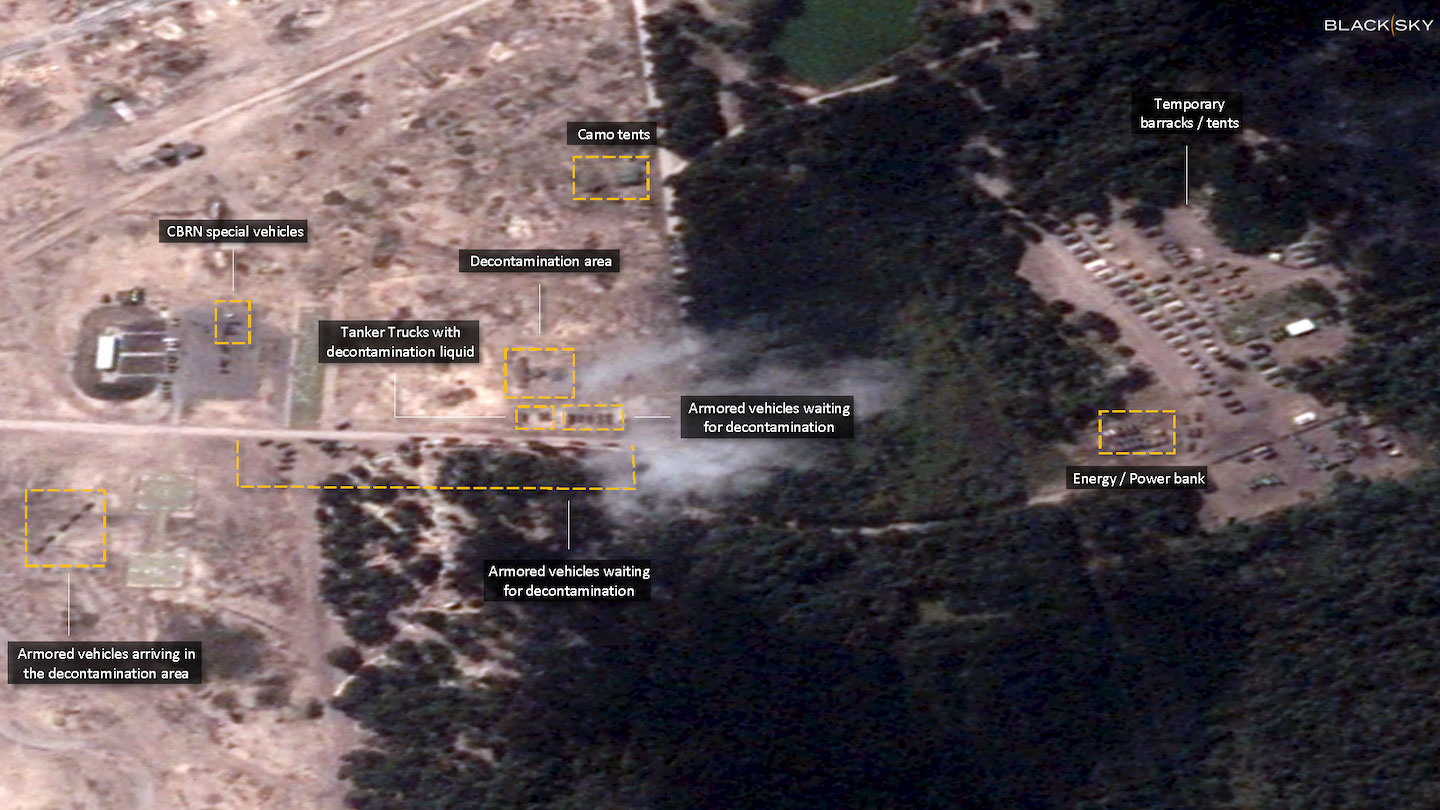
Belarus and Russia conducted CBRN exercises in 2023, potentially in preparation to host nuclear weapons. Credit: BlackSky
In addition, the DIA said Moscow also maintained a stockpile of up to 2,000 nuclear weapons, “designed to be incorporated into delivery systems with ranges shorter than those… in the New START treaty”, also referred to as “non-strategic” weapons.
Signed in 2010, New START was intended to limit the active stockpiles of nuclear weapons held by the US and Russia for a period of ten years, subsequently extended for a further five years in 2021. Set to expire in 2026 with no likelihood of renewal, New START has effectively ceased to function.
The NEW START treaty did not stop the development of new delivery methods, which was more the realm of the INF agreement.
Russia’s new nuclear strike options
Detailing some under-development nuclear delivery system in 2018, Russian President Vladimir Putin claimed Russia had developed weapons that could not be countered by existing US countermeasures, including the Sarmat ICBM, Avangard HGV, Kinzhal hypersonic missile, Skyfall nuclear-powered cruise missiles, and the Poseidon nuclear-powered sub-surface strike system.
The DIA reported the Avangard has been integrated into the SS-19 Mod 4 ICBM and that Russia continues to field the SS-27 (RS-24, IOC 2010) ICBM, while the Rubezh road mobile ICBM (RS-26) remains in development.
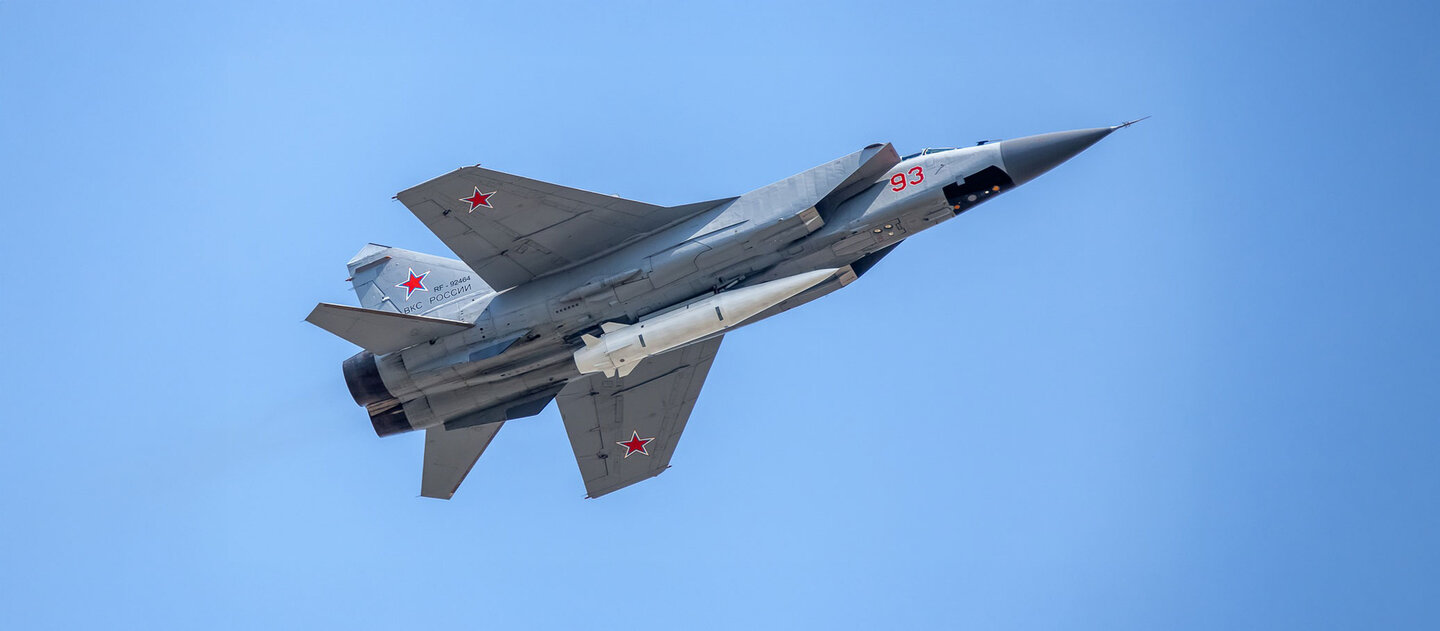
The Kinzhal hypersonic missile could deliver a nuclear strike. Credit: Dianov Boris / Shutterstock
The Sarmat ICBM began development in 2016, with the first successful launch in 2022. It can carry different types of nuclear weapons up to the megaton class. The Sarmat ICBM will have the range to hit any target in the world.
Sarmat ICBM
+
The Kinzhal hypersonic missile, also known as the Killjoy, is an air‑launched ballistic missile (ALBM). It has a speed of 12,231 km/hr, range of up to 2,000km, and has the ability to make in‑flight manoeuvres. The conventional version of the Kinzhal has been used against a variety of targets in Ukraine.
Kinzhal
+
The Russian MoD presented this cruise missile as having a nuclear‑powered engine, which would theoretically give it intercontinental range, in addition to the ability to fly for several days. The missile remains in testing and saw a catastrophic failure in 2019, which killed five scientists during the missile recovery operation. All tests prior to 2019 were reported to have resulted in a crash. The system has not yet been formally certified for combat.
Skyfall
+
The Avangard HGV functions as a hypersonic weapon and is designed to eliminate US homeland ballistic missile defences. The system uses an ICBM booster to reach an altitude of 100km, staying below the reach of ballistic missile defences, and then descends to the target at 33,000 km/h.
Avangard
+
Sarmat ICBM
+
The Sarmat ICBM began development in 2016, with the first successful launch in 2022. It can carry different types of nuclear weapons up to the megaton class. The Sarmat ICBM will have the range to hit any target in the world.
Avangard
+
The Avangard HGV functions as a hypersonic weapon and is designed to eliminate US homeland ballistic missile defences. The system uses an ICBM booster to reach an altitude of 100km, staying below the reach of ballistic missile defences, and then descends to the target at 33,000 km/h.
Kinzhal
+
The Kinzhal hypersonic missile, also known as the Killjoy, is an air‑launched ballistic missile (ALBM). It has a speed of 12,231 km/hr, range of up to 2,000km, and has the ability to make in‑flight manoeuvres. The conventional version of the Kinzhal has been used against a variety of targets in Ukraine.
Skyfall
+
The Russian MoD presented this cruise missile as having a nuclear‑powered engine, which would theoretically give it intercontinental range, in addition to the ability to fly for several days. The missile remains in testing and saw a catastrophic failure in 2019, which killed five scientists during the missile recovery operation. All tests prior to 2019 were reported to have resulted in a crash. The system has not yet been formally certified for combat.
In addition, Moscow continues to support the SSC-8 ground-launched, intermediate-range, nuclear-capable cruise missile programme, according to the DIA.
Will Russia use nuclear weapons?
Russian nuclear doctrine allows the use of nuclear weapons under a launch-on-warning (LOW) structure, permissible when under imminent threat from ballistic missiles or other weapons of mass destruction, or, potentially, massed use of conventional strikes that could form an existential threat to the integrity of the state.
In this scenario, Russia would seek to conduct a complete nuclear strike, not just launch, before a real or perceived inbound threat hit its target.
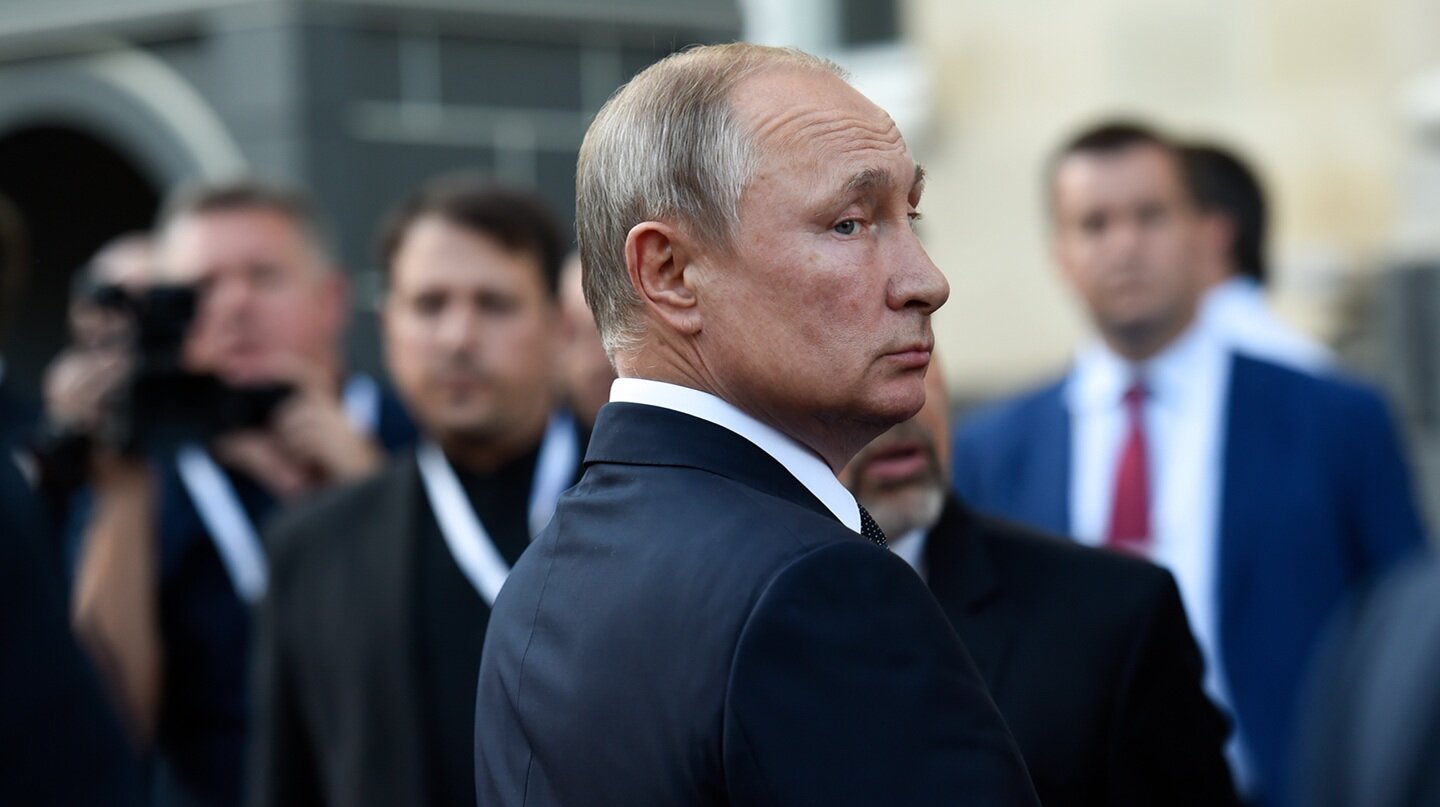
Russian President Vladimir Putin has threatened to use nuclear weapons. Credit: Asatur Yesayants / Shutterstock
This subjective determination of what could be considered an existential threat has seen Putin make numerous threats on the use of nuclear weapons in Ukraine and Europe, although this is generally considered to be for domestic media consumption rather than any shift in doctrine.
Despite the Ukraine war, the Russian state is not under any existential threat, although separating the Putin regime from the integrity of the country itself will be a notable factor to consider. One cause for concern emerged in 2022 when Putin intimated that Russia would use nuclear weapons in the event of threats to the integrity of territory taken, and subsequently annexed, in Ukraine.
In terms of expenditure, Russia has embarked on a decade-long renewal of its nuclear triad, spending around $8.6bn in 2021 alone to upgrade the capacity of its ICBM, SLBM, and heavy bomber forces.
To modernise the platform, via an April request for information, the USAF is canvassing the inclusion of a new radar, electronic warfare equipment and enhanced
communications to create an “Advanced E-7”. Two such examples are sought within seven years, after which other E-7s could be retrofitted with the modifications.
As for the UK, three 737NG aircraft are currently undergoing modification in Birmingham, the first completing its maiden flight in September 2024.
Global Defence Technology asked Boeing what makes the E-7 stand out, and a spokesperson listing three points. First is its allied interoperability. “With the aircraft in service or on contract with Australia, South Korea, Türkiye, the UK and USA – and selected by Nato – its unmatched interoperability benefits a growing global user community for integration in future allied and coalition operations.”

The E-7 platform is less expensive to operate compared to platforms based on small business jets.
Boeing spokesperson
The US is by far the largest spend on nuclear submarines. Credit: US Navy
Country | 2024 | 2025 | 2026 | 2027 | 2028 | 2029 | 2030 | 2031 | 2032 | 2033 | 2034 |
Australia | 3,582 | 3,586 | 3,590 | 3,594 | 3,613 | 3,622 | 6,183 | 6,207 | 6,216 | 6,239 | 6,380 |
China | 2,607 | 2,802 | 3,040 | 3,081 | 3,174 | 3,291 | 3,396 | 3,603 | 3,664 | 3,710 | 4,316 |
India | 2,320 | 2,533 | 3,675 | 2,457 | 2,526 | 2,639 | 2,741 | 2,873 | 2,958 | 3,350 | 3,560 |
Russia | 2,701 | 2,893 | 2,973 | 3,334 | 3,458 | 3,106 | 3,235 | 3,405 | 2,958 | 3,487 | 3,942 |
US | 16,957 | 18,037 | 18,522 | 18,607 | 18,137 | 18,898 | 18,898 | 19,643 | 19,876 | 22,592 | 23,730 |
Lisa Sheridan, an International Field Services and Training Systems programme manager at Boeing Defence Australia, said: “Ordinarily, when a C-17 is away from a main operating base, operators don’t have access to Boeing specialist maintenance crews, grounding the aircraft for days longer than required.
“ATOM can operate in areas of limited or poor network coverage and could significantly reduce aircraft downtime by quickly and easily connecting operators with Boeing experts anywhere in the world, who can safely guide them through complex maintenance tasks.”
Boeing also uses AR devices in-house to cut costs and improve plane construction times, with engineers at Boeing Research & Technology using HoloLens headsets to build aircraft more quickly.
The headsets allow workers to avoid adverse effects like motion sickness during plane construct, enabling a Boeing factory to produce a new aircraft every 16 hours.
Elsewhere, the US Marine Corps is using AR devices to modernise its aircraft maintenance duties, including to spot wear and tear from jets’ combat landings on aircraft carriers. The landings can cause fatigue in aircraft parts over its lifetime, particularly if the part is used beyond the designers’ original design life.

Caption. Credit:
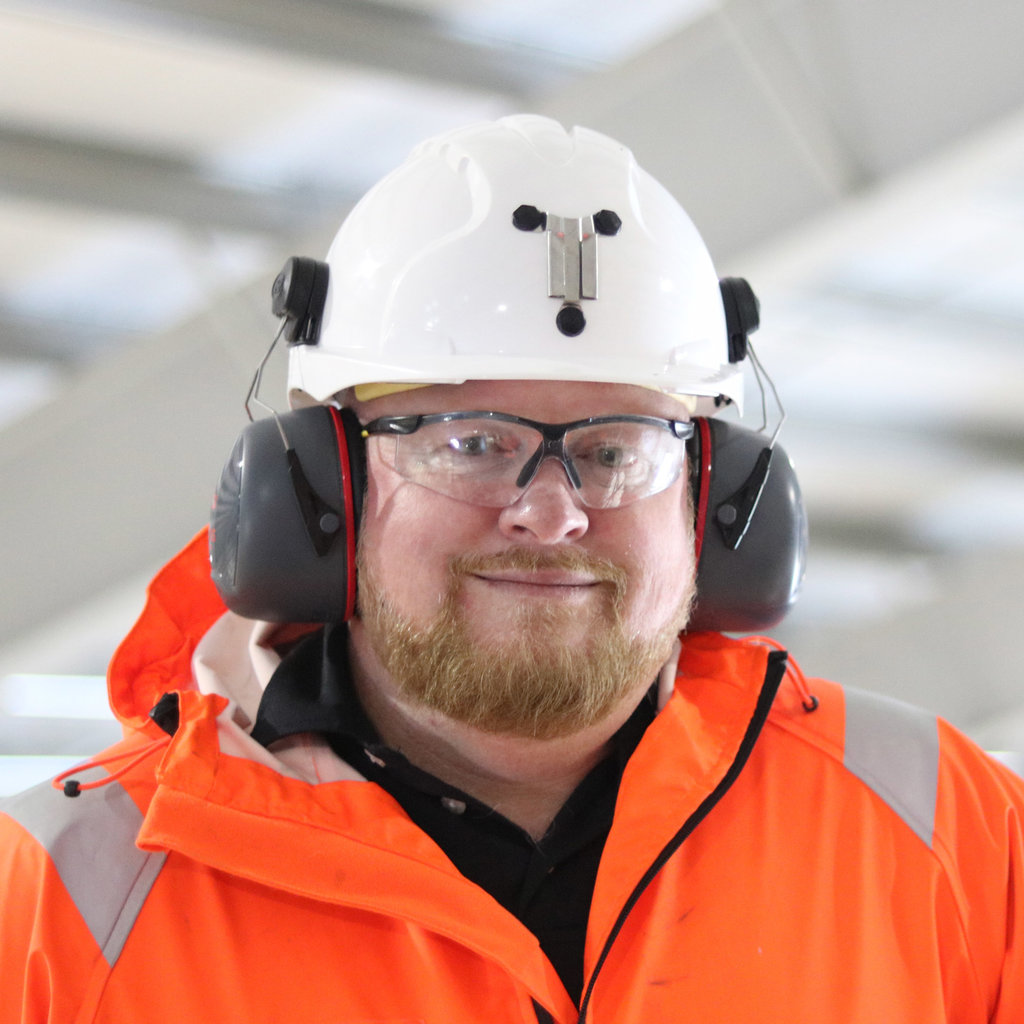
Phillip Day. Credit: Scotgold Resources
Total annual production
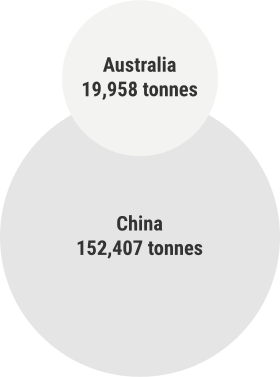
Australia could be one of the main beneficiaries of this dramatic increase in demand, where private companies and local governments alike are eager to expand the country’s nascent rare earths production. In 2021, Australia produced the fourth-most rare earths in the world. It’s total annual production of 19,958 tonnes remains significantly less than the mammoth 152,407 tonnes produced by China, but a dramatic improvement over the 1,995 tonnes produced domestically in 2011.
The dominance of China in the rare earths space has also encouraged other countries, notably the US, to look further afield for rare earth deposits to diversify their supply of the increasingly vital minerals. With the US eager to ringfence rare earth production within its allies as part of the Inflation Reduction Act, including potentially allowing the Department of Defense to invest in Australian rare earths, there could be an unexpected windfall for Australian rare earths producers.
